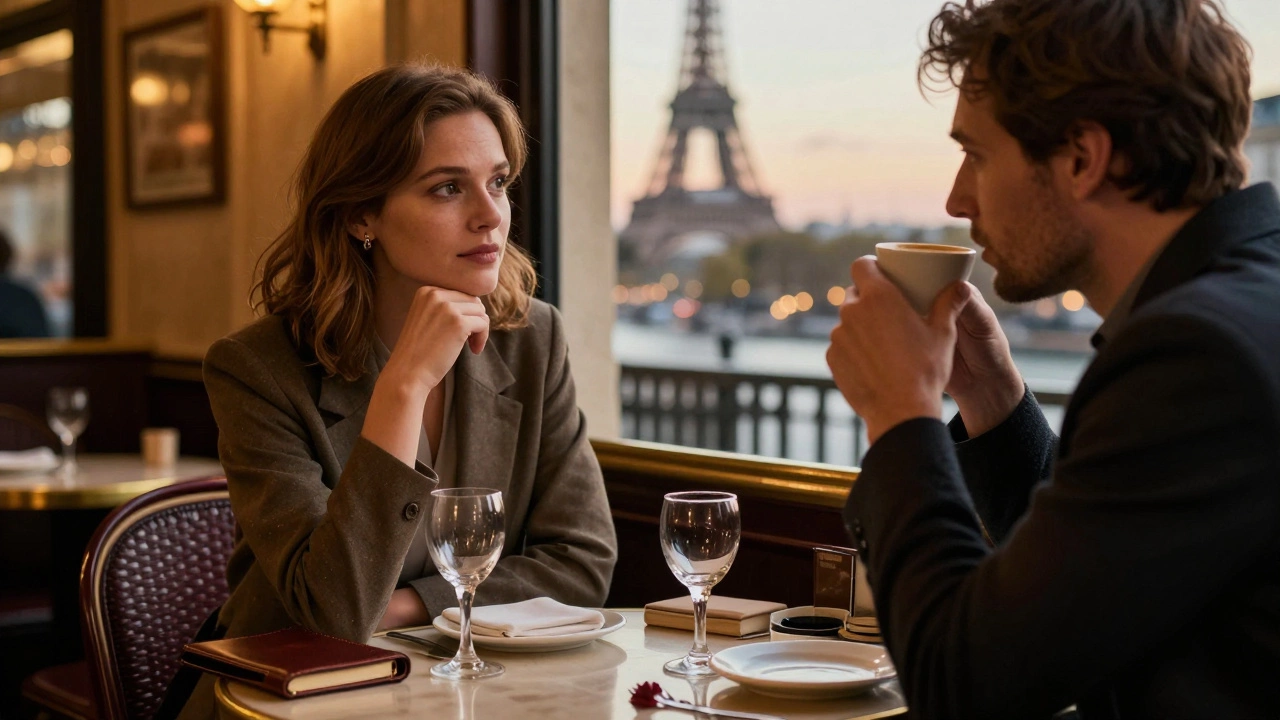
Paris isn’t just about the Eiffel Tower, croissants, and street musicians. Beneath its romantic facade lies a quieter, more complex layer - one where companionship takes many forms. Among the most misunderstood are the women who offer their time, conversation, and presence as paid companions. These aren’t just women on the street; they’re professionals navigating a space where desire, discretion, and dignity often collide. The term scorts en paris is sometimes used online, but it’s a shallow label for something far more nuanced. These women don’t sell sex - they sell connection. And in a city where loneliness hides behind grand architecture, that’s a valuable service.
What They Actually Do
Most escort girls in Paris don’t work in dimly lit alleys or unmarked apartments. Many operate through discreet agencies or independent platforms, screening clients carefully. Their services vary: a dinner at a Michelin-starred restaurant, a walk along the Seine at sunset, a night at the opera, or simply someone to talk to after a long day. Some clients are businessmen who haven’t had a real conversation in weeks. Others are tourists who want to see Paris through local eyes, not guidebooks. A few are simply lonely, seeking warmth without judgment.
The best ones know how to listen. They remember your favorite wine, notice when you’re uncomfortable, and know when to change the subject. They’re trained in etiquette, cultural awareness, and emotional intelligence - skills that take years to develop. Unlike what movies show, there’s no scripted performance. Authenticity matters. Clients pay for presence, not pretend.
The Reality Behind the Myths
There’s a dangerous myth that all escort girls in Paris are victims or trafficked women. That’s not true. Many enter this work by choice. Some are former artists, models, or students who need flexible income. Others are expats who moved to Paris for love and stayed because they found a way to survive on their own terms. One woman I spoke with - anonymously, of course - told me she used to teach French literature. After her divorce, she needed to pay rent in the 16th arrondissement. She started offering companionship. Now, she travels to the south of France every summer with her clients. She owns her own apartment. She’s not a victim. She’s an entrepreneur.
Others aren’t so lucky. Some do face exploitation. That’s why reputable agencies exist - they vet clients, provide security, and offer legal support. The underground scene? That’s where the risks multiply. But the majority of professionals in this field operate above ground, with contracts, insurance, and boundaries. They set limits. They say no. And they’re respected for it.
Why Paris? Why Now?
Paris has always been a city of seduction - not just romantic, but intellectual, emotional, and sensory. The French don’t separate sex from conversation. They don’t shame desire. That cultural openness creates space for this kind of work to exist without the stigma you’d find elsewhere. In New York or Tokyo, escorting is often hidden in shame. In Paris, it’s quietly normalized.
Post-pandemic, demand has shifted. More people want meaningful interaction than casual hookups. Clients aren’t looking for a quick thrill. They’re looking for someone who remembers their name, who asks about their childhood, who doesn’t look at their watch. That’s why the term
The Cost of Companionship
Prices vary wildly. A two-hour coffee and chat might cost €150. A full evening with dinner, theater, and drinks? €800-€1,500. Overnight stays? €2,000 and up. These aren’t random numbers. They reflect experience, language skills, location, and reputation. A woman who speaks five languages and can discuss Proust over oysters will charge more than someone who just smiles and nods.
Most work part-time. They have other jobs - writing, teaching, design - and use companionship to supplement income. Some work only during tourist season. Others take weekends off to travel. It’s not a 9-to-5 job. It’s a lifestyle.

How to Find the Right One (If You Must)
If you’re considering hiring an escort girl in Paris, here’s what actually works:
- Use agencies with transparent profiles - photos, bios, and clear boundaries
- Read reviews from past clients (yes, they exist)
- Ask for a brief video call first - see if you vibe
- Never pressure for anything beyond what’s listed
- Pay upfront - no exceptions
And here’s what never works: showing up drunk, demanding photos, asking personal questions, or trying to turn it into a relationship. These women aren’t therapists, girlfriends, or fantasy fulfillments. They’re professionals. Treat them like one.
The Human Side
Behind every profile is a person. One woman I met at a café in Le Marais told me she writes poetry at night. Another is learning Japanese because she has a client who’s from Osaka. One keeps a journal of every client’s favorite song - she plays it when she’s alone. They’re not objects. They’re people with dreams, fears, and quiet joys.
And yes, some of them are beautiful. But beauty here isn’t about flawless skin or perfect curves. It’s about confidence, wit, and the ability to make someone feel seen. That’s the real allure of Paris - not the city, but the people who live in it.
That’s why the term